
Check a Bedside Lamp from the Position You Read In
A bedside lamp can look perfectly placed while remaining awkward to use from the position in which you read. Check the relationship between the bed, book and controls before c
This article may contain affiliate links. If you buy through them, we may earn a commission at no extra cost to you. Our disclosure and editorial approach.
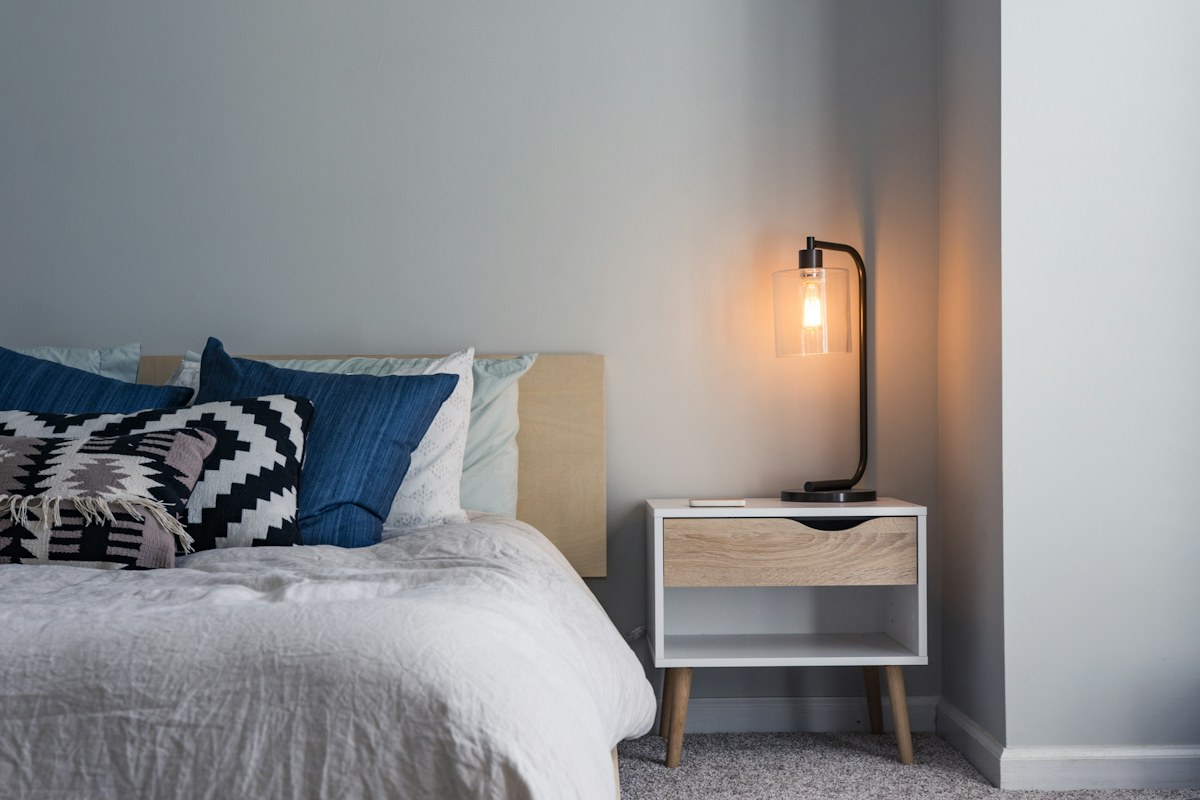
A bedside lamp can look perfectly placed while remaining awkward to use from the position in which you read. Check the relationship between the bed, book and controls before changing the room's decorative arrangement. A useful light setup should suit your own vision, comfort and movement needs rather than a standard photograph of a nightstand.
Start with the reading position
Sit or rest in the way you actually read, using suitable support for your own needs. Bring the real book or device into the position it normally occupies. Notice where the light falls and whether reflections, shadows or an uncomfortable posture interfere with the activity.
Do not begin by forcing the lamp closer to the bedding. Follow its maker's placement and safety instructions, including any requirements around heat, clearances or electrical equipment. If the existing fitting is unsuitable or damaged, seek appropriate advice rather than improvising a new mount or covering part of it.
Check the controls separately
Locate the switch and assess whether you can use it comfortably through the normal sequence of beginning and ending reading. An attractive lamp may still require getting out of bed to turn it off. Decide whether that suits you rather than assuming every bedside control must occupy the same position.
The reading-corner lighting guide helps consider the broader setting. At the bedside, the available surface and the sleeping arrangement add their own practical questions. Keep the lamp's role specific instead of treating a room-wide lighting change as the first response to one awkward switch.
Leave room for the book
Give the book, glasses and other necessary personal items suitable places when reading stops. Keep liquids and unrelated objects appropriately separated from electrical equipment. A nightstand crowded with decorative pieces may need a modest edit before another furniture purchase is useful.
The small keepsake-tray guide offers a useful question about display: how much ordinary working space should remain? A treasured object can stay in the room without occupying the exact position needed to set down the current book or reach the switch.
Test a focused change
Adjust only what the lamp and furniture are designed to allow, then repeat the reading and closing sequence. A different suitable position for the book or a clearer surface may resolve the issue. If another lamp is needed, compare actual dimensions, controls and intended use rather than choosing through shade colour alone.
Should you read elsewhere instead? A comfortable chair may suit some sessions, while bedtime reading remains important to others. Choose the arrangement that fits your own routine and requirements. The useful bedside setup makes reading and stopping straightforward, with the lamp appropriately placed and the necessary objects easy to return, rather than simply making the nightstand look complete from the doorway.
About this guide
Original editorial planning advice from Helene’s In Between, based on practical scenarios rather than a product test. We do not claim hands-on product testing or a sponsored trip. Photos illustrate the topic and do not document a product test.
Suggestions are general editorial ideas. Adapt them to your home, itinerary and preferences.