
Discuss Two Different Priorities for a Copenhagen Waterfront Visit
Agree which interests a Copenhagen waterfront pause should serve, giving companions room for photographs, conversation and their own priorities during the outing.
This article may contain affiliate links. If you buy through them, we may earn a commission at no extra cost to you. Our disclosure and editorial approach.
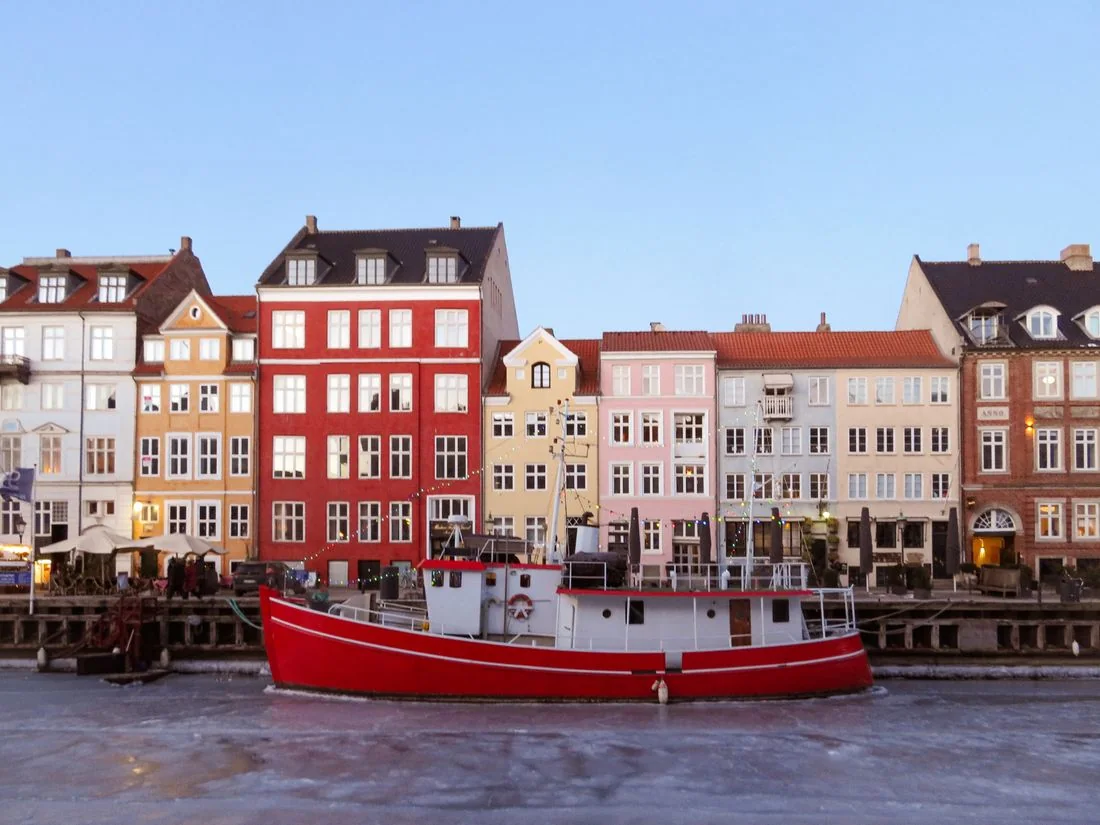
A shared Copenhagen waterfront visit can contain two very different wishes. One person may want to study the buildings and make photographs; another may want to sit together and enjoy a conversation. Neither preference is a complete itinerary on its own. Naming them before the outing makes it easier to enjoy the waterfront without quietly expecting the other person to follow an unspoken plan.
Ask for the actual wish
Describe the experience you want rather than the list of places you saved. Saying you would like an uninterrupted stretch for photography gives your companion more information than repeatedly adding another viewpoint. Ask what would make the same visit satisfying for them, including whether they want to keep moving or pause.
Keep essentials separate from preferences. A fixed commitment elsewhere affects both people; a photograph you would enjoy making remains a choice. Marking that distinction prevents an attractive saved image from acquiring the status of an appointment nobody agreed to.
Give different activities distinct space
Instead of combining conversation and photography every minute, agree a small part of the visit for each. You might explore together, then pause while one person makes a few images, followed by a shared break. Avoid promising an exact route or duration before checking the arrangements that apply to the actual day.
The walkable hotel guide helps with the wider relationship between the outing and your base. Returning to accommodation should remain part of the day, rather than a task discovered after the shared energy has run out.
Make the handover visible
Tell your companion when you have finished the activity you requested. Without that signal, a short photographic pause can grow into a sequence of just one more shots. Put the camera away for the agreed shared part so attention changes as well as location.
If you split briefly, agree a recognizable public meeting point and a way to reconnect. Use current local information and conditions to decide whether separation suits the group. Do not assume a photograph from another trip establishes where everyone can wait today.
Let the real conditions change the plan
A busy area, poor light or a changed preference may make the original division less appealing. Say what has changed and offer a concrete alternative: skip the extra photograph, shorten the pause or return another time if the wider itinerary permits. Avoid describing the adjustment as someone spoiling the day.
The shared travel calendar review is useful when an altered waterfront plan affects another commitment. Update the agreed plan instead of letting each person continue using a different version.
Remember the visit as a shared choice
At the end, ask which part each person enjoyed. That answer is better guidance for the next outing than the number of images taken or places passed. A waterfront visit can hold different interests comfortably when the group knows whose priority is being served and when the attention will shift.
About this guide
Original editorial planning advice from Helene’s In Between, based on practical scenarios rather than a product test. We do not claim hands-on product testing or a sponsored trip. Photos illustrate the topic and do not document a product test.
Suggestions are general editorial ideas. Adapt them to your home, itinerary and preferences.