Keep Packed Clothing Outside the Luggage Zipper’s Path
A luggage zipper needs a clear path that can disappear beneath a sleeve, soft pouch or loose strap. Check that boundary before closing the case rather than relying on the slid
This article may contain affiliate links. If you buy through them, we may earn a commission at no extra cost to you. Our disclosure and editorial approach.
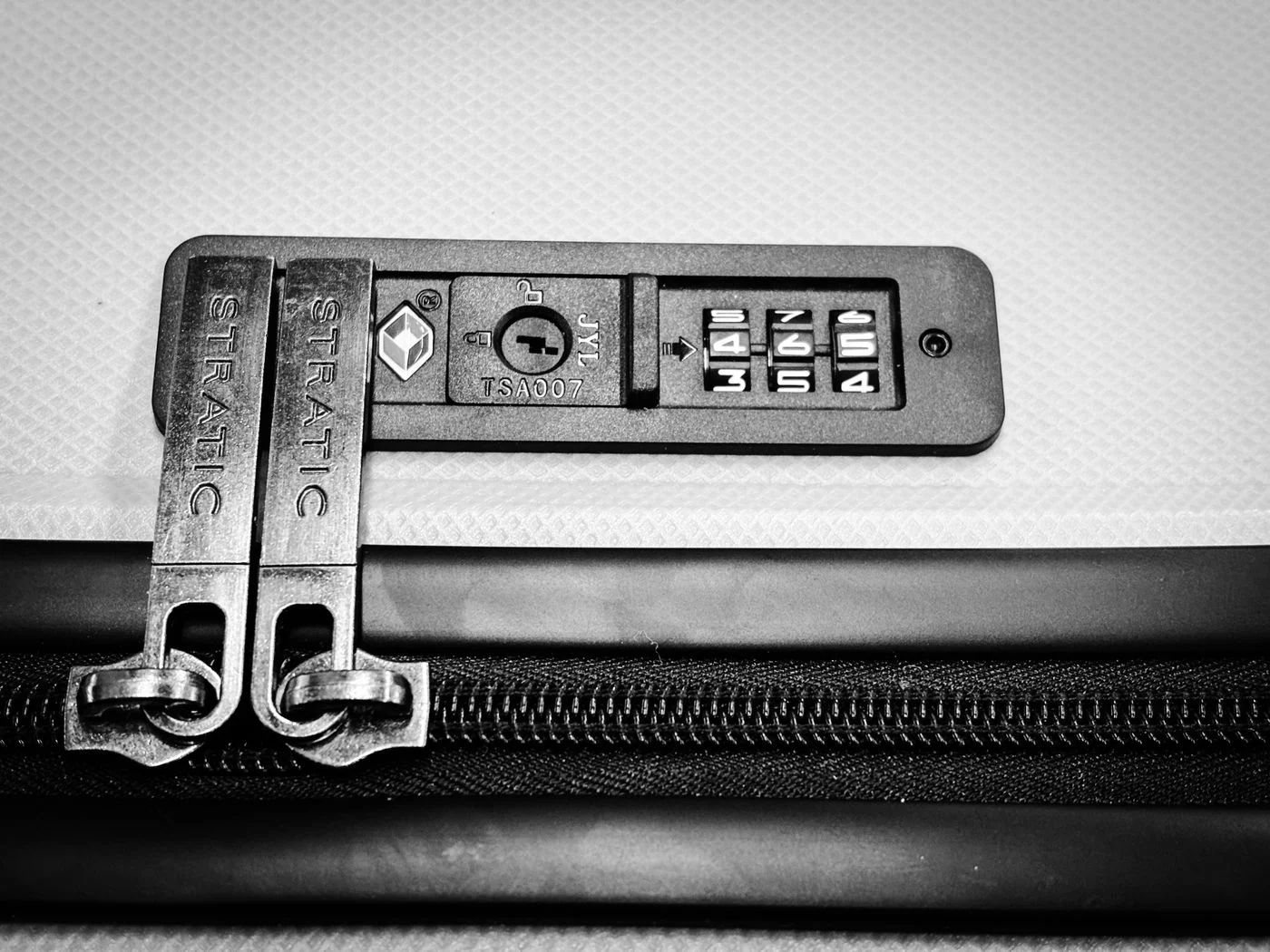
A luggage zipper needs a clear path that can disappear beneath a sleeve, soft pouch or loose strap. Check that boundary before closing the case rather than relying on the slider to push the contents aside. A suitable packing arrangement protects both the clothing and the luggage through ordinary retrieval and repacking.
Check the case’s instructions
Use the compartments, dividers and closures as the maker intends. Inspect the mechanism and seek appropriate repair guidance if it appears damaged or unreliable. Do not treat a sticking zipper as proof that the case merely needs more pressure, especially when the contents are already near its edge.
Keep the load within the intended capacity and your own manageable handling needs. A case that only closes while someone sits on it may have an unresolved volume or arrangement problem. Remove or reposition belongings appropriately rather than forcing delicate garments into the closing path.
Contain the loose edges
Look for sleeves, ties and straps that may spread when the lid moves. Fold or arrange each item according to its care requirements and keep it inside the suitable compartment boundary. A separate container can help when it fits the fabric and space, but it is not automatically better than a clear appropriate fold.
The travel-layer packing guide helps identify garments with actual roles. Removing an unnecessary layer can create more useful room than adding another organiser. Keep essential clothing and individual needs accounted for while reassessing the pieces packed without a clear purpose.
Test the first retrieval
Take out the item needed soon after arrival, then check what moved around it. A toiletry pouch or shoe bag can pull a garment toward the zipper even when the original packing looked controlled. Change the arrangement if the ordinary retrieval repeatedly disturbs the boundary.
The two-night carry-on plan helps connect the interior with the trip's actual sequence. A bag should work through unpacking as well as the moment it is photographed before departure. Repeat the brief check after each room change rather than assuming the first layout remains unchanged.
Stop when the closure catches
Follow the maker's appropriate process and avoid pulling harder against trapped fabric. Separate the obstruction carefully through suitable guidance, and seek repair advice if damage occurs. A few moments spent checking the path can be more useful than continuing a closure that is clearly resisting.
Should every garment go in a packing cube? Only if the containers suit the items and case without adding unsuitable pressure or bulk. The important boundary is functional, not a requirement for matching organisers. A useful case closes through its intended path, leaves clothing appropriately protected and can be reopened without discovering that the last packing action created the next repair task.
About this guide
Original editorial planning advice from Helene’s In Between, based on practical scenarios rather than a product test. We do not claim hands-on product testing or a sponsored trip. Photos illustrate the topic and do not document a product test.
Suggestions are general editorial ideas. Adapt them to your home, itinerary and preferences.