Make a Vieux Lyon Visit More Specific Than a Saved Photograph
Make a Vieux Lyon visit specific through one visual interest, reliable district information, verified passage access, concise notes, and one accurate follow-up question.
This article may contain affiliate links. If you buy through them, we may earn a commission at no extra cost to you. Our disclosure and editorial approach.
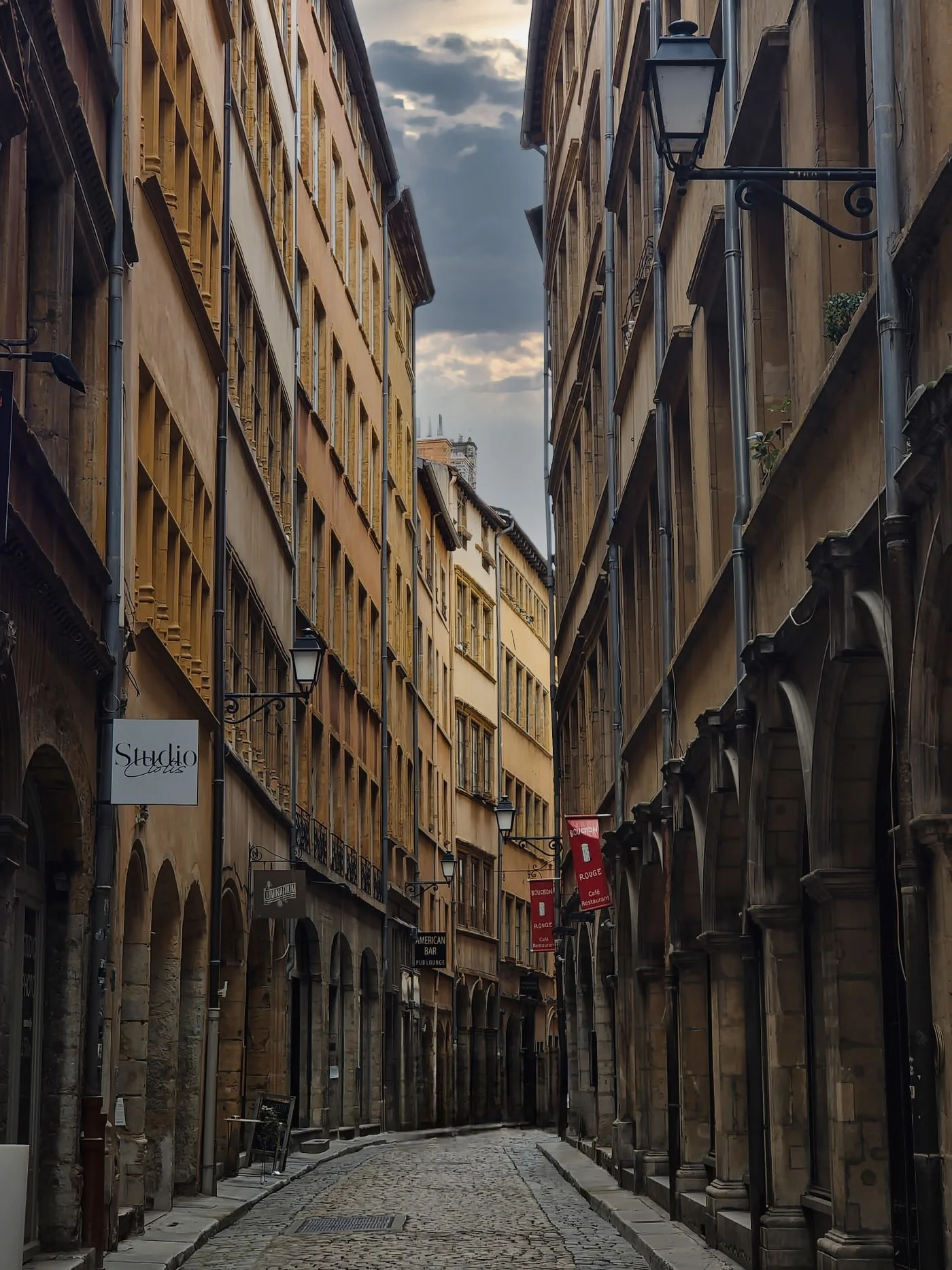
A saved photograph of Vieux Lyon can spark interest without telling you what kind of visit you want. Turn that image into one or two specific questions before building the itinerary. You may want to notice public-street architecture, understand a particular site's history, or enter a confirmed attraction, and each choice creates a different outing.
Name what attracted you
Describe the detail that made you save the image: the street's shape, the building materials, an interior, or the relationship between hills and old town. Separate that observation from assumptions about access. A picturesque passage in a photograph does not establish that it is open to the public on your date.
Use official visitor information to understand the setting. Lyon's guide describes Saint-Georges, Saint-Jean, and Saint-Paul as the old town's districts. Choose the area that connects to your actual interest rather than converting the three names into a compulsory route.
Keep private boundaries clear
Check current official information or an appropriate authorized tour for traboules and other passages. Respect closed doors, signs, and residents' space. Do not treat another visitor entering a building as evidence that the same access is available to you.
If your interest can be satisfied from a permitted public street, let that be a complete choice. You can observe an architectural detail and learn about it through reliable material without collecting interior entrances. A short thoughtful walk is not an incomplete version of a guided tour; it has its own purpose.
Choose a useful note format
Save a small number of questions or locations in a readable format you can use comfortably. Keep route information distinct from observations so a long note does not hide the practical return. Avoid recording private details or photographing people and homes intrusively in the effort to document the scene.
Our offline arrival-note guide helps keep practical information concise. The visit notes can remain separate and optional, with the actual accommodation route available even when you stop thinking about architecture.
Close with one reliable follow-up
After the outing, choose one question you still want to explore through an authoritative source. Record what you actually saw separately from what you later learn. A precise observation is more useful than a confident caption that assigns an uncertain age or function to a building.
The travel photo-print guide helps select a lasting image through personal meaning. A picture connected to a genuine question or detail may be worth keeping even when it is less dramatic than the original inspiration.
Do I need to research everything beforehand? No. Confirm the practical access and route, then leave room for curiosity. A small accurate starting point can make the visit more specific without turning the afternoon into a research assignment or requiring every saved image to become a stop.
Planning references: Official destination visitor information. Confirm current arrangements with the relevant provider.
About this guide
Original editorial planning advice from Helene’s In Between, based on practical scenarios rather than a product test. We do not claim hands-on product testing or a sponsored trip. Photos illustrate the topic and do not document a product test.
Linked sources provide planning information. Confirm current opening times, availability, prices and retailer policies before making plans.