How to Choose a Personal-Item Bag for Short Trips
Compare backpacks, totes, and small holdalls by packed dimensions, carry comfort, access, and the allowance on your booking.
This article may contain affiliate links. If you buy through them, we may earn a commission at no extra cost to you. Our disclosure and editorial approach.
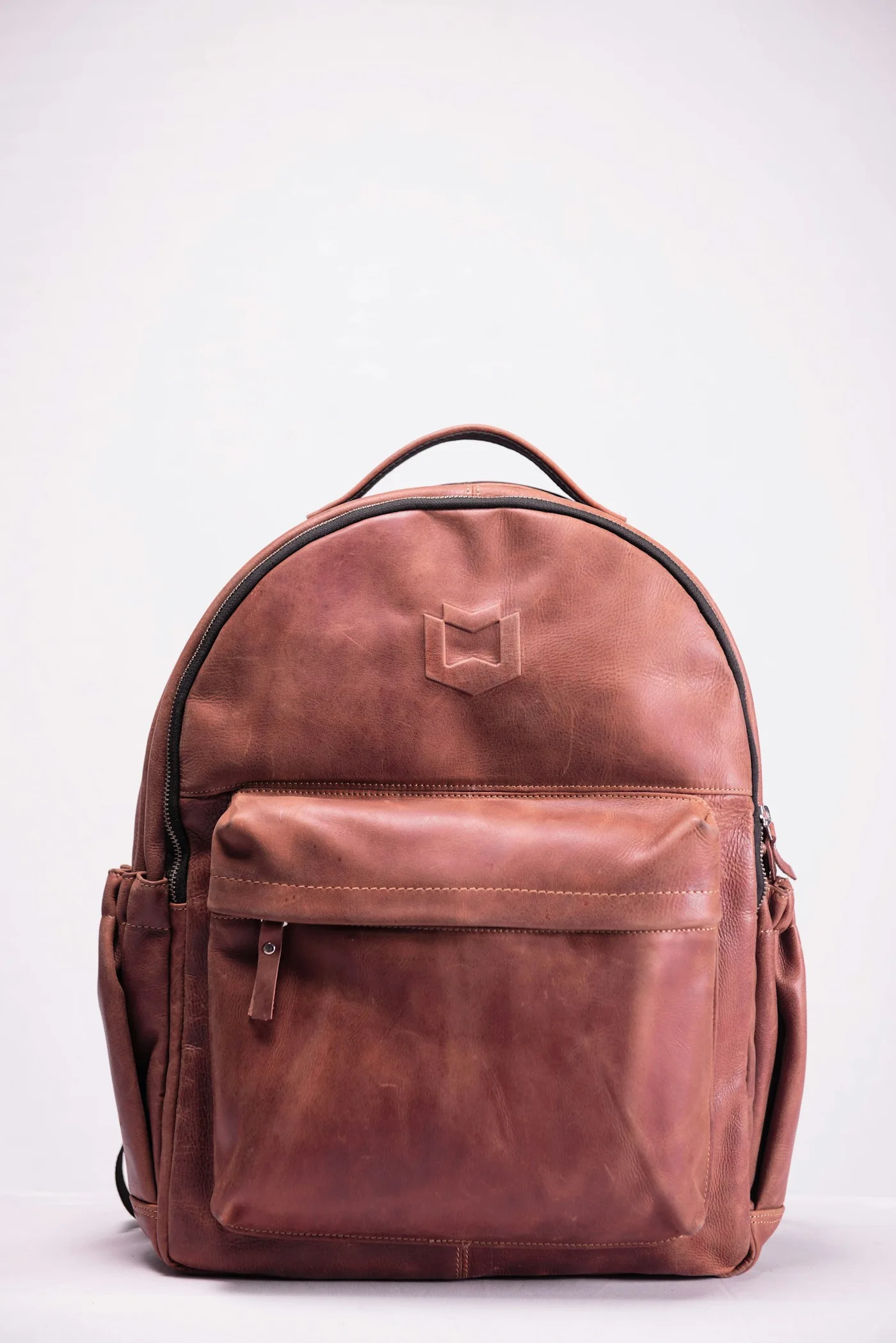
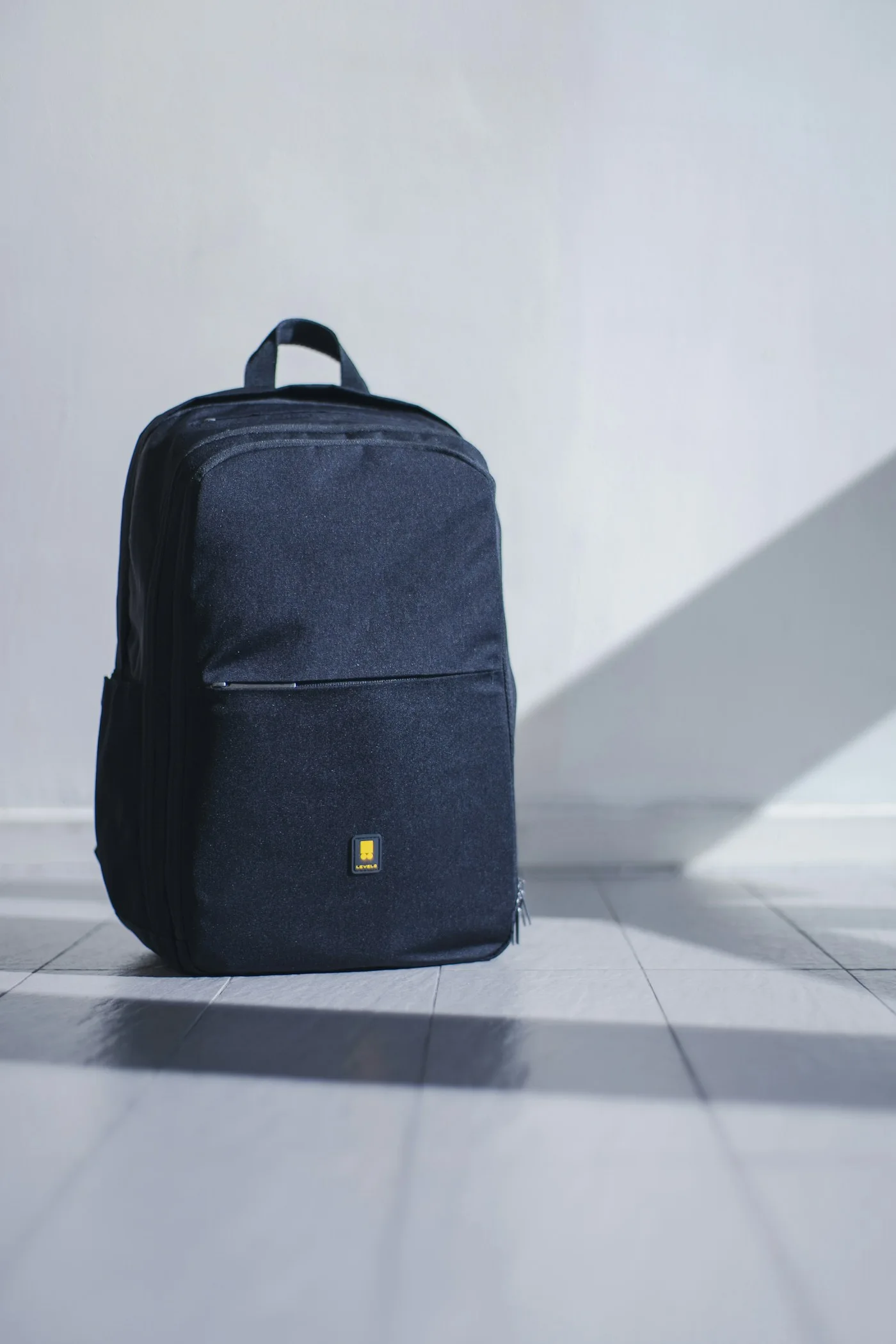
The best personal-item bag is the one that fits your booked allowance and carries your actual essentials comfortably. A product described as airline approved does not establish permission on every flight. Different carriers and fares use different size and weight rules, and the bag's dimensions change when stuffed. Start with your booking, then compare shapes and features rather than buying the largest bag with the strongest travel marketing.
Check the allowance before shopping
Open the baggage information attached to your reservation and the carrier's current rules. Identify whether you have one under-seat item, an overhead allowance, or both. Check maximum dimensions, weight, and any conditions attached to an additional bag. If your journey includes multiple carriers, plan around the applicable rules for each segment rather than assuming the outward allowance covers everything.
Measure the bag you already own while filled as you expect to use it. Include handles, wheels, and outer pockets. A soft bag can be useful, but overpacking can make it exceed the permitted size. A retailer's capacity in liters does not tell you whether the external shape matches the carrier's dimensions. Save the current allowance with your booking details for reference.
Choose the shape for the way you move
A backpack leaves your hands available for tickets, railings, and another suitcase, but straps and fit matter when it is full. A tote can make access easy and work well at the destination, yet carrying a dense load on one shoulder may be uncomfortable. A small holdall offers a simple main compartment but can become awkward on a long station walk. Choose around the journey, not just the airport photograph.
| Bag type | Good starting scenario | Tradeoff to examine |
|---|---|---|
| Compact backpack | Walking transfers and hands-free travel | Strap comfort and access while packed |
| Zipped tote | Light essentials and frequent access | Shoulder load and limited structure |
| Small holdall | Simple clothing load with short transfers | Carrying comfort and shifting contents |
| Structured work bag | Required laptop and documents | Empty weight and space left for clothing |
For a two-night trip using only the personal item, clothing space deserves more attention. For a longer trip with a separate suitcase, the personal item can focus on valuables, in-flight comfort, and things you need if the main bag is delayed. These are different tasks, so the same compartment layout may not suit both.
Prioritize a few useful features
Look for a secure main closure, a comfortable carrying method, and enough organization to keep essential items accessible. A separate laptop sleeve helps only if you carry a laptop and the sleeve fits it. A bottle pocket can be convenient, but check how it affects packed width and whether it holds the bottle securely. More pockets are not automatically better.
A wide opening can simplify packing but may expose everything when you reach for one item. A narrow top opening can work well for a daily bag while making a full clothing load hard to search. Think through security screening, boarding, and arriving at the hotel. The bag should support those moments without requiring you to empty it in a public space.
Create an accessible essentials zone
Keep travel documents, necessary medication, phone, charger, and valuables in places you can reach and check easily. Use a small removable pouch if it helps. Separate liquids according to the screening rules that apply to your journey, and check prohibited items independently of baggage size. A bag fitting under the seat does not make its contents permissible.
TSA's published item guidance, for example, states that spare lithium batteries and power banks belong in carry-on baggage rather than checked luggage. Airlines may impose additional conditions, so check your operator too. If an overhead bag is moved to the hold, you should be able to remove essential items quickly without unpacking the whole case.
Test the bag before committing
Read the seller's current return policy, then test indoors in a way that preserves eligibility. Load the bag with the items you actually intend to carry, not soft towels that make every design feel comfortable. Close it normally and check whether pockets remain usable. Lift it by each handle, try the straps, and inspect how the load sits against your body.
Walk around for a suitable short period and notice slipping straps, sharp edges, or an awkward balance. If the bag has a suitcase sleeve, check that it works with your own suitcase handle and remains stable. Do not assume a feature described on a product page will fit every piece of luggage. Finally, measure the packed external dimensions again.
Avoid paying for capacity you cannot use
An expandable bag can be useful after arrival, but the expanded form may exceed your flight allowance. Treat expansion as a destination feature unless the carrier permits that size. Similarly, a large advertised capacity does not help if you cannot comfortably carry the resulting load. Empty bag weight matters when your allowance is limited.
Compare the full purchase price with durability details, repair options where offered, and the return terms. Avoid assuming a high price guarantees comfort or that an inexpensive bag must fail. The useful question is whether its construction and layout fit your use. If your current bag passes the dimension and comfort checks, spending on another travel accessory may add little.
Personal-item bag questions
Does “airline approved” mean it will fit? Check your carrier and fare. That phrase alone does not establish compliance across different allowances.
Is a backpack always better than a tote? No. A backpack can suit longer walking transfers, while a light tote may serve frequent access and destination use. Test the loaded bag.
Can I squeeze a soft bag into the sizer? Do not plan around an overfilled bag. Pack within the published limits and follow staff instructions at the airport.
Baggage and screening sources
See easyJet's cabin-bag guidance as one carrier example and TSA's item-by-item screening guidance for applicable journeys. Checked October 10, 2026. Our packing archive helps connect the bag to a realistic clothing list.
About this guide
Prepared by the Helene’s In Between editorial team using published information and scenario-based recommendations. We do not claim hands-on product testing or a sponsored trip. Photos illustrate the topic and do not document a product test.
Linked source information checked October 10, 2026. Confirm current opening times, availability, prices and retailer policies before making plans.