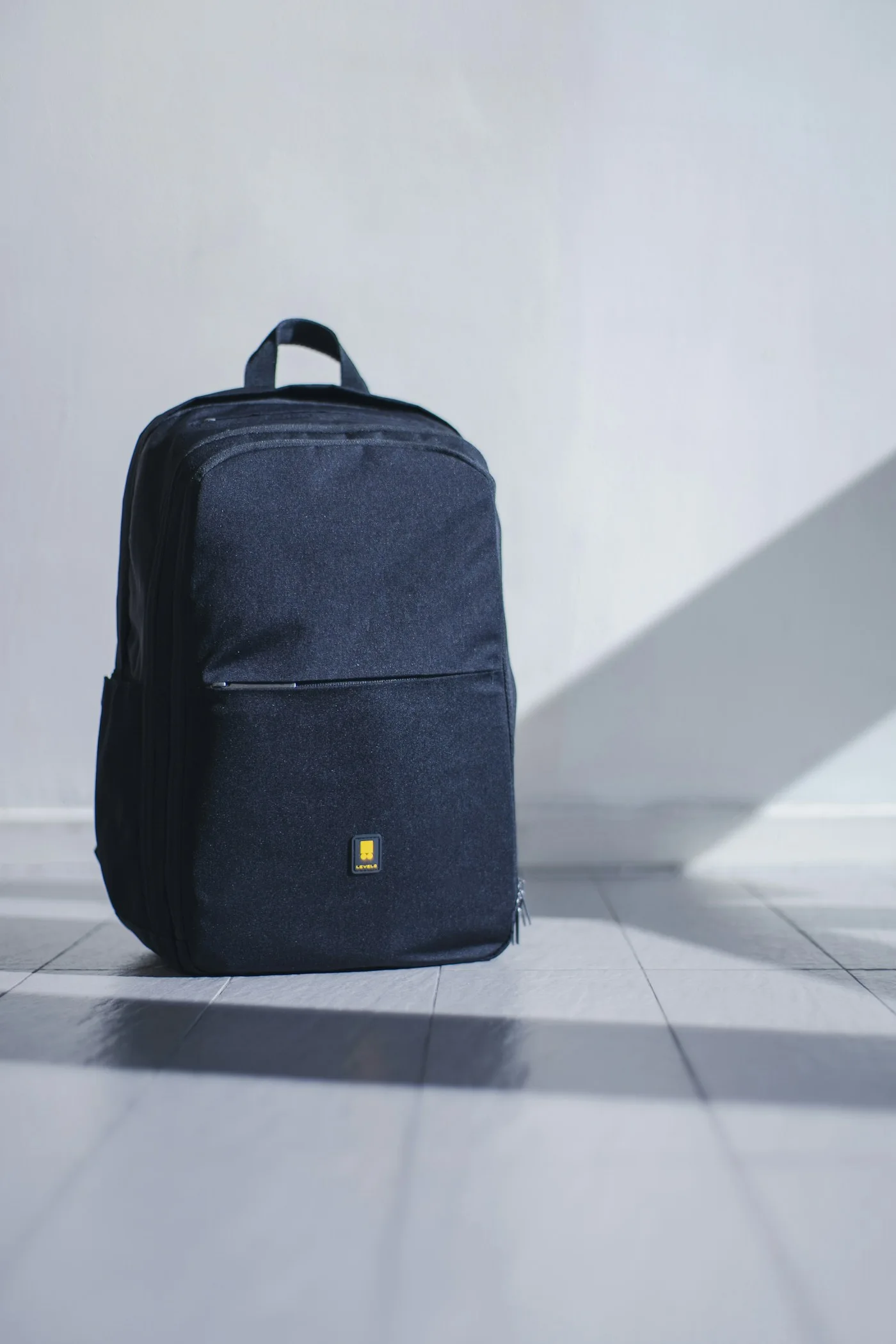
Agree Belonging Boundaries in a Shared Sleeper Compartment
Agree how belongings will be arranged in a shared sleeper compartment, keeping personal items, shared objects and the actual accommodation instructions distinct.
This article may contain affiliate links. If you buy through them, we may earn a commission at no extra cost to you. Our disclosure and editorial approach.
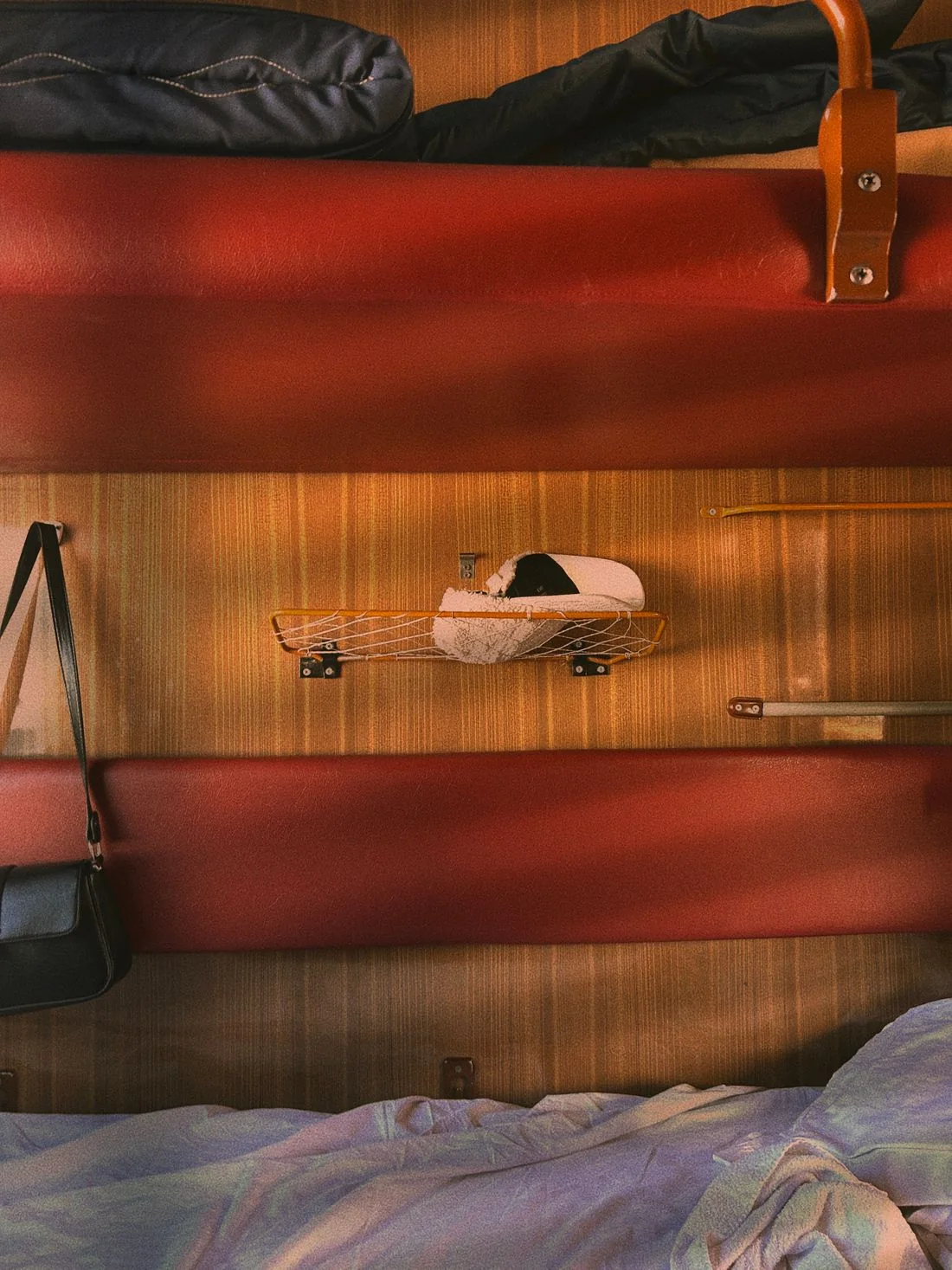
A shared sleeper compartment gives each traveller a temporary place to rest while concentrating several people's belongings into a small space. Clear boundaries make that arrangement easier to use. Agree what belongs where through the compartment's actual layout and the operator's instructions, rather than assuming every sleeper has the same shelves, bunks or storage rules.
Begin with the booked arrangement
Check the accommodation and space you have actually reserved before making a packing plan. A photograph of a different compartment is illustrative, not a reliable inventory. Use current operator information for baggage and onboard arrangements, including any conditions that affect the belongings you intend to bring.
Keep the documents needed first accessible. The offline arrival note offers a useful approach to concise travel information. Adapt that principle to the rail journey without mixing the compartment plan with unrelated papers you will not need during boarding.
Agree which surfaces are shared
Once you can see the actual space, ask before spreading belongings onto a shared surface or another person's allotted area. A free-looking rack or seat may have a purpose that is not obvious from your first glance. Follow instructions and allow the people sharing the space to explain their needs.
Use clear, ordinary language: which place can hold this bag, and will it need moving later? That question is easier to answer than claiming a spot through silence and expecting everyone else to work around it.
Keep a compact set for the immediate routine
Identify the things you expect to need without repeatedly opening the main bag. Keep them in an arrangement that follows the applicable guidance and does not expand into someone else's space. Avoid unpacking every possible item simply because there is a quiet moment after boarding.
The two night packing plan can help reduce competing extras before departure. Fewer unrelated objects make it easier to track what you have taken out, especially when the compartment changes from sitting to resting arrangements.
Plan transitions explicitly
Discuss a practical change before it happens: making room to rest, reaching a shared storage area or preparing to leave. Do not assume a sleeping companion wants their belongings moved without being asked. If an arrangement needs assistance, use the operator's appropriate support rather than improvising with fittings.
Keep personal and private items contained. A shared space does not create permission to inspect someone else's papers, move their clothing for convenience or include their possessions in a photograph. Ask before making any image that involves another traveller's allocated area.
Leave with the same clear boundaries
Before arrival, check the places where you actually put belongings. Repack your own items without sweeping together objects simply because they are nearby. Ask about an uncertain item instead of deciding ownership from its position.
The aim is an understood temporary arrangement. Your luggage and daily routine should fit the actual shared journey, leaving other travellers able to use their space without negotiating around an expanding collection of your belongings.
About this guide
Original editorial planning advice from Helene’s In Between, based on practical scenarios rather than a product test. We do not claim hands-on product testing or a sponsored trip. Photos illustrate the topic and do not document a product test.
Suggestions are general editorial ideas. Adapt them to your home, itinerary and preferences.