
Write Travel Photo Captions That Preserve Accurate Memories
Write accurate travel-photo captions through visible evidence, reliable facts, clear uncertainty, privacy checks, personal meaning, and a manageable chosen image selection.
This article may contain affiliate links. If you buy through them, we may earn a commission at no extra cost to you. Our disclosure and editorial approach.
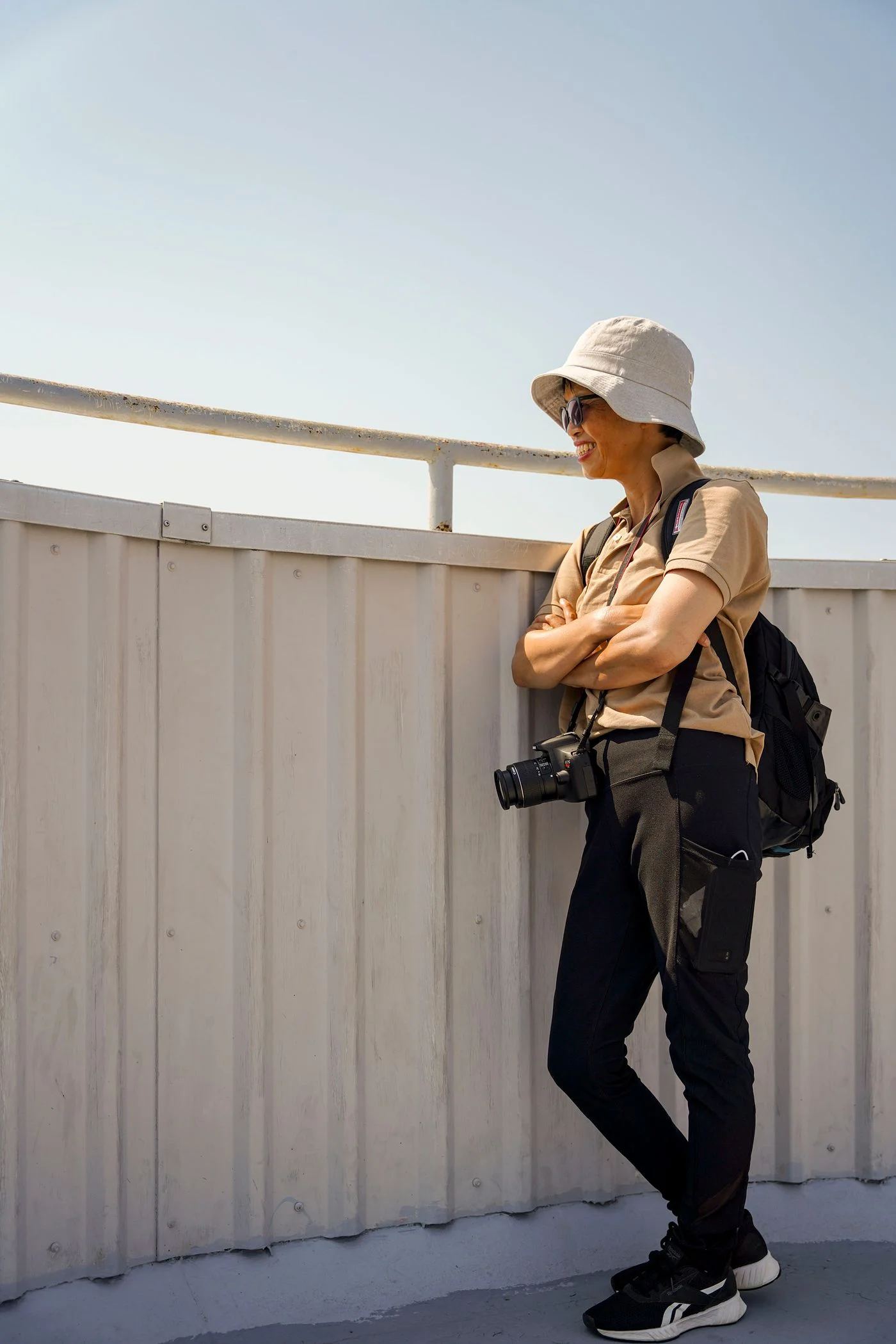
Travel photo captions should preserve accurate memories rather than fill uncertainty with confident detail. A picture can show a building or street without proving its name, age, or the route you took. Keep observation, verified information, and personal interpretation distinct, especially when you plan to share the image beyond your private collection.
Start with what the photograph establishes
Describe the visible subject and the context you actually remember. Check your own route notes or reliable location information if needed, while protecting sensitive data. Do not treat an automatic device location or an old map pin as infallible proof of the exact subject.
If you are unsure whether the image shows a particular landmark, verify through an authoritative source or use a more modest description. 'A narrow street during our afternoon walk' can be accurate without assigning a famous name. The caption does not need to sound like a guidebook entry.
Keep facts linked to reliable sources
Use current official or other appropriate authoritative information for historical or practical claims. Record the source where it helps your own review, and avoid copying long passages. A personal caption can contain a small verified fact without reproducing the whole attraction description.
Distinguish current information from the circumstances of your visit. If access has changed since the photograph, do not imply the picture establishes what another traveler will find now. Your image records a moment, while practical advice requires its own current check.
Review privacy before sharing
Look at the image and wording together for personal details, other people's privacy, and information about accommodation or current location. Use the platform's current official guidance for audience settings when relevant. A flattering photograph is not automatic permission to publish every person or detail it contains.
Our phone photography workflow helps organize a manageable selection. Captioning works better on a small chosen set than on hundreds of near-identical images you no longer remember clearly.
Let personal meaning stay personal
A short note about why you liked the moment can be enough. You do not need to add a superlative, an invented anecdote, or a recommendation to make the image worth keeping. If a companion remembers something differently, discuss the uncertainty rather than converting one person's guess into the shared official story.
The travel-photo print guide helps select a lasting image through its actual meaning. An accurate modest caption can support that memory without turning the framed picture into a claim about an experience you did not have.
What if I cannot identify the place later? Keep the uncertainty clear, use suitable reliable research if you want to know more, and avoid assigning a confident label. You can still value the image. A truthful incomplete memory is more useful than a precise-looking caption that quietly changes what the trip actually contained.
About this guide
Original editorial planning advice from Helene’s In Between, based on practical scenarios rather than a product test. We do not claim hands-on product testing or a sponsored trip. Photos illustrate the topic and do not document a product test.
Suggestions are general editorial ideas. Adapt them to your home, itinerary and preferences.