A Walking City Capsule Wardrobe Built Around the Shoes
Build a small city wardrobe by starting with walking footwear, daily routes, useful layers, and a realistic evening plan.
This article may contain affiliate links. If you buy through them, we may earn a commission at no extra cost to you. Our disclosure and editorial approach.

The practical suggestions in this article are original editorial planning advice, not findings from hands-on product testing.
A city capsule becomes useful when it meets the pavement. A beautiful collection of coordinated clothes can still fail if the trousers drag under your walking shoes or the jacket becomes awkward to carry after lunch. Begin with the pair you already find comfortable for ordinary walking, then build upward. Think about your actual route: stations, uneven streets, museum queues, and a seated meal. This is an editorial planning method rather than a promise that any particular wardrobe formula will suit every climate or body.
Map a day before choosing a palette
Write a short version of one likely day, including the journey from accommodation to breakfast and the return after dinner. Note when you will be outside and when a bag may need to go through a cloakroom or security check. The point is to identify clothing transitions. A day involving a long waterfront walk and an air-conditioned gallery may need a removable layer. A late dinner across town may justify a quick change, but it might also work with a different top and the shoes already on your feet.
Test every bottom with the same shoes
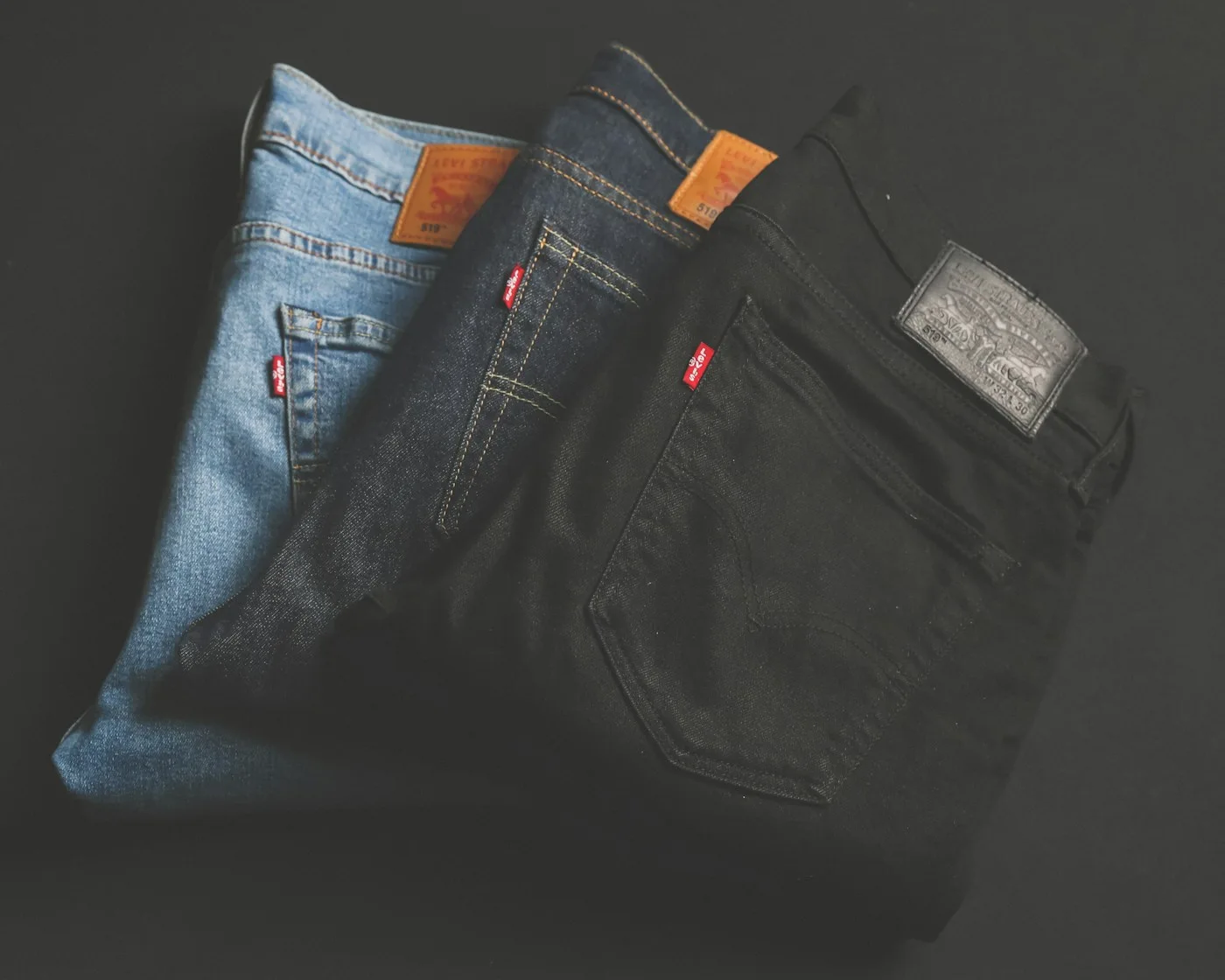
Lay out two bottoms and try each with your walking footwear. Check hem length, ankle coverage, and whether socks feel right with the shape. A cropped trouser can look intentional while keeping fabric clear of the ground, but it may leave you chilly in wind. A fuller length provides coverage but can catch at the heel. If both bottoms need a different pair of shoes to work, reconsider the combination. The capsule should reduce daily decisions instead of hiding several incompatible outfits inside a coordinated colour scheme.
Give each piece more than one job
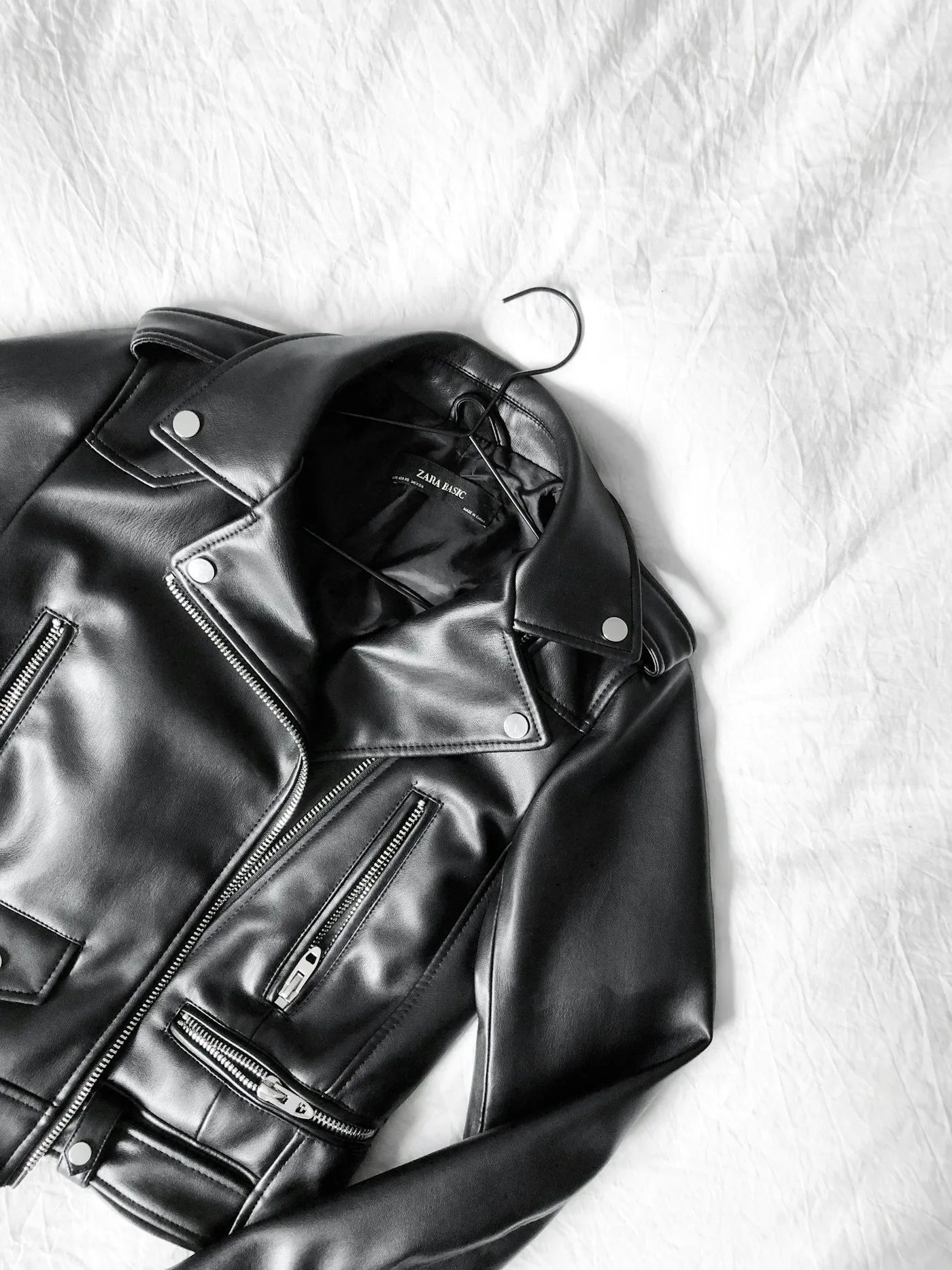
A workable starting set is two bottoms, three tops, one removable warm layer, and a weather layer if conditions call for it. These are planning quantities, not a universal packing rule. Choose tops that work independently and beneath your layer, without needing different underwear for every combination. One top can be slightly neater for dinner while still working during the day. Avoid counting a delicate blouse as versatile if you would worry about wearing it under a backpack. Function matters more than the theoretical number of combinations.
| Piece | Daytime role | Second role |
|---|---|---|
| Comfortable trousers | Walking and transport | Casual dinner with a neater top |
| Open shirt | Adjustable light layer | Standalone top when appropriate |
| Simple knit | Cool indoor spaces | Evening warmth |
| Compact everyday bag | Daily essentials | Return journey personal items |
Account for what you will carry
The outfit changes when a jacket, water bottle, and purchases join you for several hours. Try the bag with those ordinary items rather than assessing it empty. Check whether a crossbody strap rubs at a neckline or whether a backpack pulls a shirt upward. Decide where a removed layer will go; tying it around your waist may be fine, but it should be an intentional choice. A bag with more pockets is not automatically more convenient if the contents become difficult to locate or its empty weight already bothers you.
Make the evening plan specific
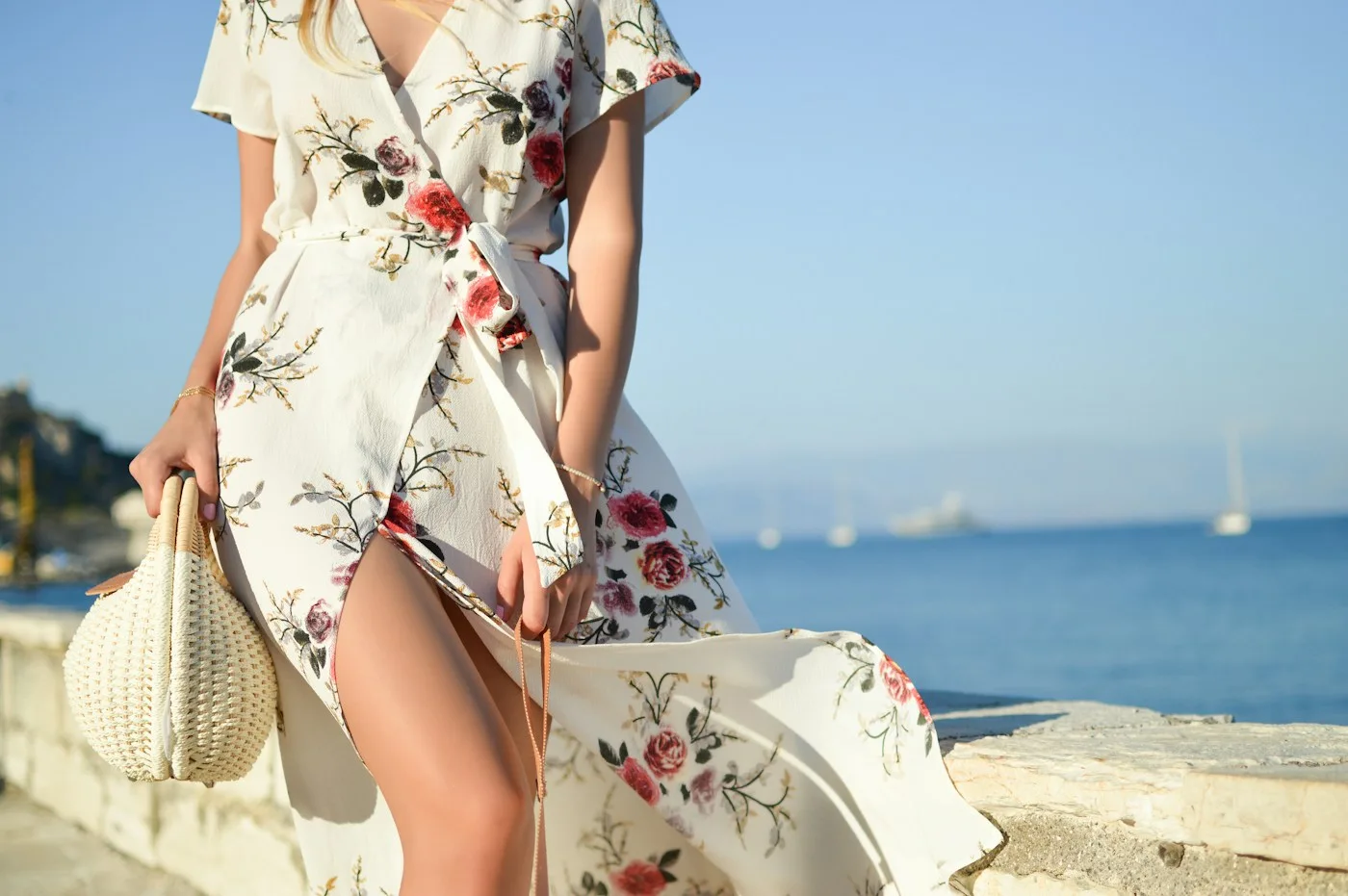
Look at the kind of places where you actually expect to eat, rather than packing for an imagined glamorous evening. A relaxed restaurant may need only a clean top and a tidy layer. A venue with a stated dress code deserves a separate decision. If one special meal is central to the trip, allocate space for it and simplify elsewhere. Do not expect jewellery to transform unsuitable clothing into compliant formalwear. Equally, avoid carrying an entire evening wardrobe for plans that remain vague and could easily stay casual.
Buy the missing function, not the full capsule
Photograph the combinations you can already make. If a gap remains, name it precisely: perhaps a washable layer that fits under your jacket or trousers with a suitable walking-shoe hem. Shop for that gap with measurements and care preferences in hand. Inspect pockets, closures, transparency, and fabric texture, not just colour. A new item that matches the palette but introduces difficult washing or an uncomfortable seam is not an improvement. Leave time to wear it during an ordinary day before deciding it deserves a place in travel luggage.
Leave a little space for the journey home. Clean clothing, worn clothing, and anything bought along the way rarely fold into precisely the same shape as the original packing arrangement. A capsule that only fits with careful compression may become frustrating each time you change accommodation during the trip.
Frequently asked questions
Does every item have to match every other item? No. Reliable complete outfits matter more than an impressive multiplication of possible combinations. Make sure each bottom has useful partners and a suitable layer.
Can I use black as the only base colour? Certainly, if you enjoy it and your existing clothes support it. Choose by practicality and preference rather than treating one palette as inherently more sophisticated.
What if rain is forecast? Reassess footwear and outerwear first. A compact umbrella alone may not address exposed routes, wet hems, or a bag without weather protection.
Before closing the bag, put on the heaviest combination and take a short local walk with the packed day bag. Adjust anything that repeatedly needs attention. You will find more outfit planning ideas in our style guides; the most useful capsule is the one that lets you notice the city instead of monitoring your clothes.
About this guide
Original editorial planning advice from Helene’s In Between, based on practical scenarios rather than a product test. We do not claim hands-on product testing or a sponsored trip. Photos illustrate the topic and do not document a product test.
Suggestions are general editorial ideas. Adapt them to your home, itinerary and preferences.