Try a Duffel Through the Moment You Change Hands
Try a duffel handle change with the load you intend to carry, checking a modest ordinary movement and adjusting the arrangement around your practical needs.
This article may contain affiliate links. If you buy through them, we may earn a commission at no extra cost to you. Our disclosure and editorial approach.
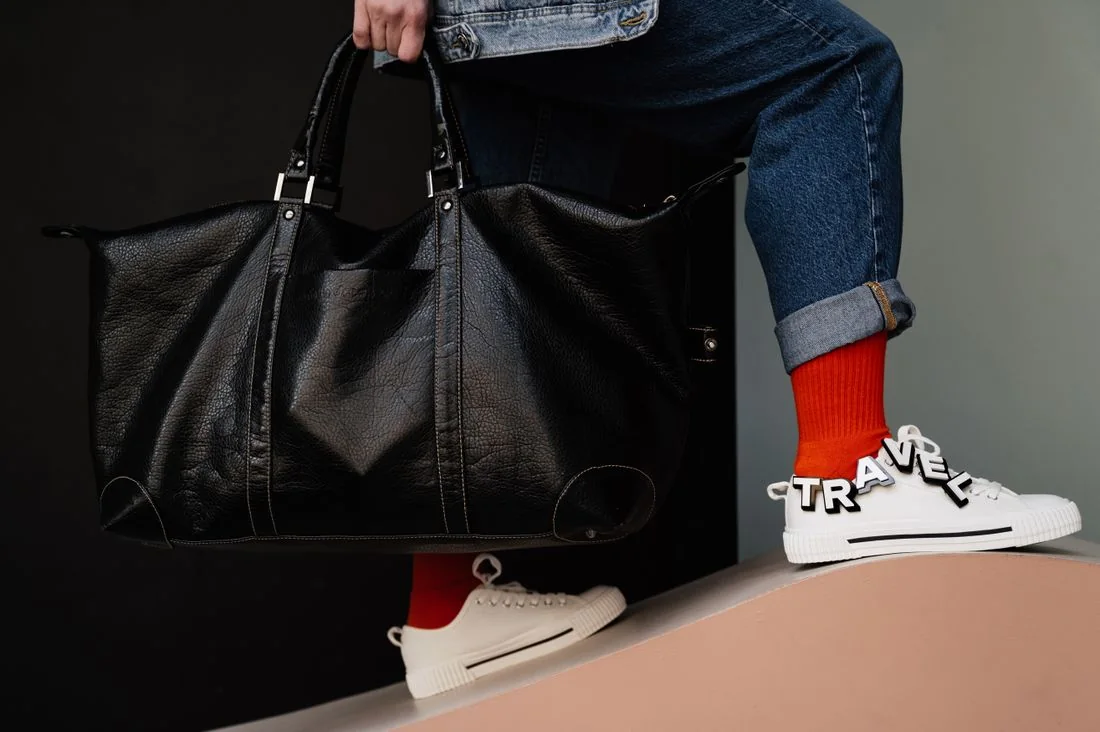
A duffel can feel comfortable for a moment while revealing its awkwardness when you need to change hands. That transition matters during an ordinary journey: opening a door, reaching for a ticket or putting another bag down. Try the complete movement before deciding that a handle arrangement suits the way you travel.
Recreate an ordinary carrying situation
Use a representative selection of belongings within the bag's stated limits, leaving fragile contents out of an informal trial. An empty duffel may fold into a different shape from the one you will actually carry. Keep the test modest and controlled rather than loading it beyond what you intend to manage.
Wear the layer you expect to use with the bag if possible. A sleeve, cuff or long coat can change how easy it is to reach a handle. The travel layer guide can help keep that outfit realistic instead of testing the bag with clothes that will not accompany it.
Notice where your other belongings go
Hold the items you normally need during a transfer, using safe stand-ins where sensible. Decide whether the second hand can receive the duffel without also needing to hold a phone, jacket or small pouch. The question is about the combined arrangement, not the duffel in isolation.
Set the bag down before changing anything if the movement feels insecure or uncomfortable. A home trial is a chance to revise the arrangement without the pressure of a queue. Do not persist through pain or create a balancing exercise merely to prove a purchase can work.
Try the change rather than a pose
Move the bag from one hand to the other in an uncluttered space. Watch for handles that twist, loose straps that get in the way or an opening that becomes difficult to reach. Follow the bag's own instructions for attaching, stowing or using supplied parts.
Check the return movement too. A bag that is easy to pick up from a chair may be less convenient from the position where it will actually rest. Avoid placing it on an unsuitable surface simply because that made the trial photograph look tidy.
Compare with the wider luggage plan
The personal item bag guide can help assess the duffel's role alongside your other luggage. Check the actual journey's current baggage arrangements separately; a comfortable carry trial does not establish that a carrier will accept the bag.
If the transition is awkward, first try a simpler contents arrangement or remove an unnecessary companion item. If it still does not work for you, a different format may be easier than inventing a complicated sequence for every doorway and pause.
Record the practical result
Write the specific difficulty while it is clear: handle hard to receive while wearing coat, for example. That note is more useful than deciding the whole bag is good or bad. Choose a carrying arrangement you can repeat comfortably in ordinary conditions and leave room to put the bag down when the task changes.
About this guide
Original editorial planning advice from Helene’s In Between, based on practical scenarios rather than a product test. We do not claim hands-on product testing or a sponsored trip. Photos illustrate the topic and do not document a product test.
Suggestions are general editorial ideas. Adapt them to your home, itinerary and preferences.