An Occasion Dress or Separates? Choose Around the Next Three Invitations
Compare dresses and separates by event formality, fit, repeat wear, travel care, and the clothes already in your wardrobe.
This article may contain affiliate links. If you buy through them, we may earn a commission at no extra cost to you. Our disclosure and editorial approach.
The practical suggestions in this article are original editorial planning advice, not findings from hands-on product testing.
The question is rarely whether dresses or separates are universally better. It is whether a particular outfit solves the events in your diary without creating several new purchases. A dress can make getting ready wonderfully straightforward. Separates can let you fit your upper and lower body independently and reuse pieces in different combinations. Both can also become expensive wardrobe passengers. Start with the next three realistic occasions, their dress codes, and what you already own. That is a more useful comparison than an abstract promise of versatility.
Translate the invitations into requirements
Write down the setting, expected formality, season, and amount of standing or walking for each event. A daytime family celebration and an evening formal reception may not reasonably share the same outfit. Do not force them together solely to improve a cost-per-wear calculation. Where requirements overlap, look for the common structure: perhaps a polished silhouette, comfortable seating, and a layer for outdoor arrivals. Ask for clarification when a dress code is unclear. The host's guidance is more useful than assumptions based on a venue's photographs or someone else's previous event.
When a dress simplifies the decision
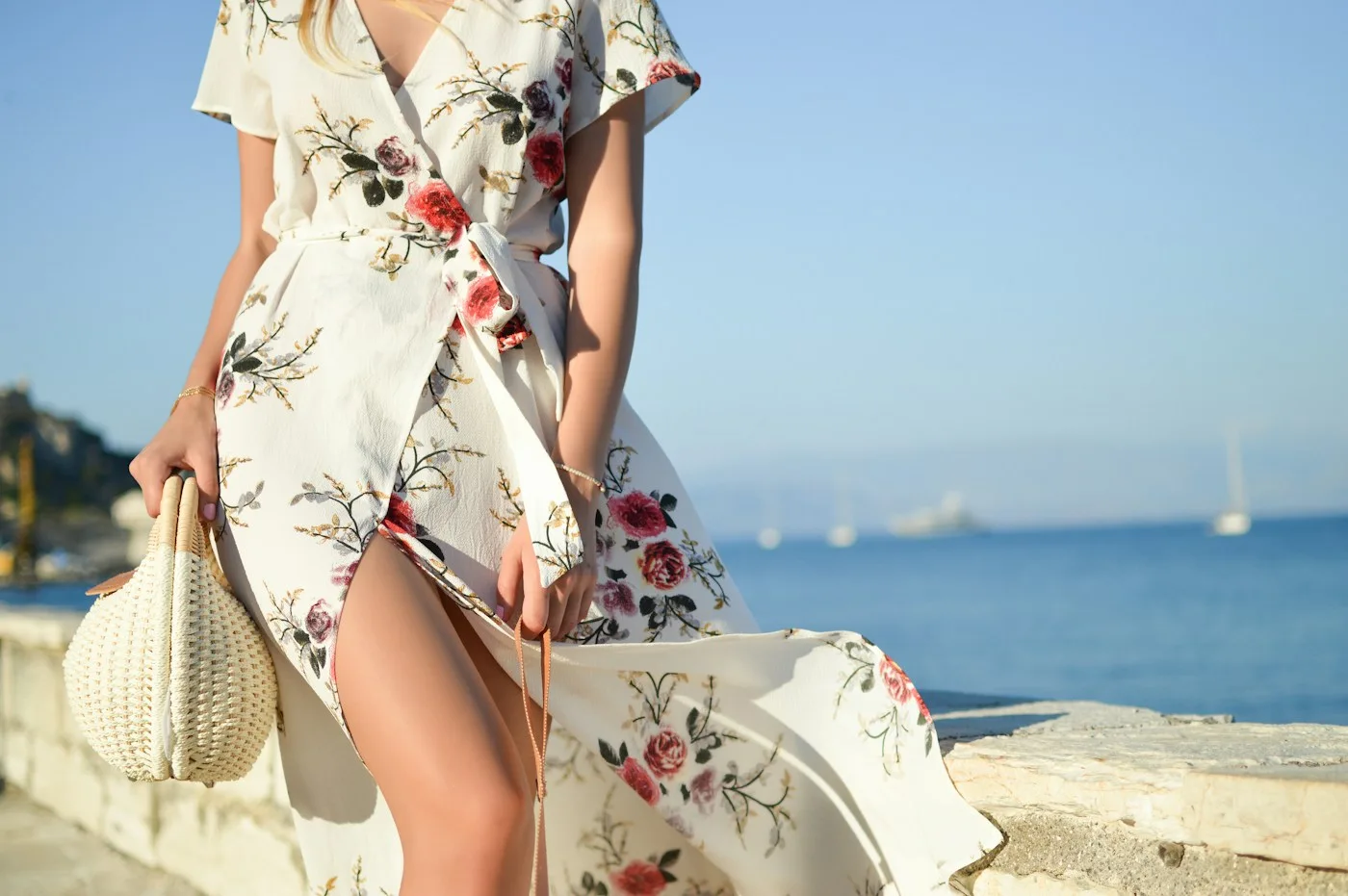
A dress gives you a continuous line and removes the need to coordinate the meeting point between a top and bottom. That can be valuable when you want a reliable outfit ready in one step. The tradeoff is that the whole garment must work across shoulders, bust, waist, hips, and length. A fit problem in one area may be difficult to solve elsewhere. Consider the fastening, sitting comfort, and whether the neckline requires special underwear. If those details are resolved, repeating the dress with existing accessories can be easier than building a new look each time.
When separates earn their place
Separates are useful when different sizes fit different parts of your body, or when you already own half of the outfit. A special blouse can pair with familiar trousers; a good skirt may work with a neat knit after the celebration. But theoretical reuse is not enough. Try the pieces with clothing actually hanging in your wardrobe and photograph complete combinations. If the skirt only works with the top purchased beside it, you have effectively bought a two-piece occasion outfit. That may be fine, but it is a different benefit from broad everyday versatility.
| Decision | Dress | Separates |
|---|---|---|
| Getting ready | Fewer coordinating choices | More control over combinations |
| Fit | One garment must fit throughout | Sizes can differ top and bottom |
| Repeat wear | A familiar complete outfit | Potential to mix with existing pieces |
| Packing | One main piece to protect | Two pieces with potentially different care needs |
Test the waistband meeting point
For separates, sit and stand several times while checking whether the top stays where you want it. A blouse that untucks repeatedly or exposes a gap may demand more attention than you want at an event. Try the intended bra and any underlayers before deciding the fabric sits smoothly. For a dress, check the same movements without assuming a one-piece shape eliminates adjustment. Walk with the bag and outer layer too. An outfit is a small system, and discomfort often appears where its pieces interact rather than in the main garment alone.
Include care and alterations in the budget
The purchase price is only one part of ownership. Consider whether hemming, specialist cleaning, or a new underlayer would be needed. Ask a qualified alterations professional about feasibility before assuming a difficult fit can be fixed. Delicate detailing may complicate both adjustments and packing. Separates can have different washing requirements, which makes care less straightforward than putting the whole outfit together in one wash. Set a total budget for getting the outfit ready, and stop adding accessories once the practical and dress-code needs have been met.
Make the repeat-wear plan concrete
Choose one future occasion or ordinary setting for each proposed purchase. A statement top might work for dinner with existing jeans; a plain skirt may suit a family lunch with a cardigan. If you cannot imagine wearing a piece without the excitement of the current invitation, be honest about buying it as occasionwear. Consider borrowing an accessory or wearing a familiar outfit with a fresh styling choice. Repetition is not a failure of creativity. It can free your attention for the people and event rather than another round of shopping.
Look at the outfit in the lighting where you will get ready, then check it in daylight too. Sheerness and colour relationships can change noticeably. This simple check is particularly useful for separates bought at different times, when two similar shades may not read as an intentional match together.
Frequently asked questions
Are separates always less formal? No. Fabric, cut, coordination, and the invitation all matter. Assess the complete outfit rather than judging formality from the number of pieces.
Should the top and bottom match exactly? They can, but do not have to. Check the combination in daylight and think about intentional contrast, texture, and proportion.
How should I calculate value? Use realistic future wear and include care and alterations. Avoid counting imaginary occasions simply to make a purchase appear economical.
Explore our style guides for more practical wardrobe decisions. Choose the option that gives you a complete, comfortable outfit now and a believable place in your life afterward.
About this guide
Original editorial planning advice from Helene’s In Between, based on practical scenarios rather than a product test. We do not claim hands-on product testing or a sponsored trip. Photos illustrate the topic and do not document a product test.
Suggestions are general editorial ideas. Adapt them to your home, itinerary and preferences.