Check a Travel Snack Container Through the Full Meal
Check a travel snack container through suitable food, specific product limits, usable closure, the complete serving task, actual bag fit, and an appropriate after-use route.
This article may contain affiliate links. If you buy through them, we may earn a commission at no extra cost to you. Our disclosure and editorial approach.
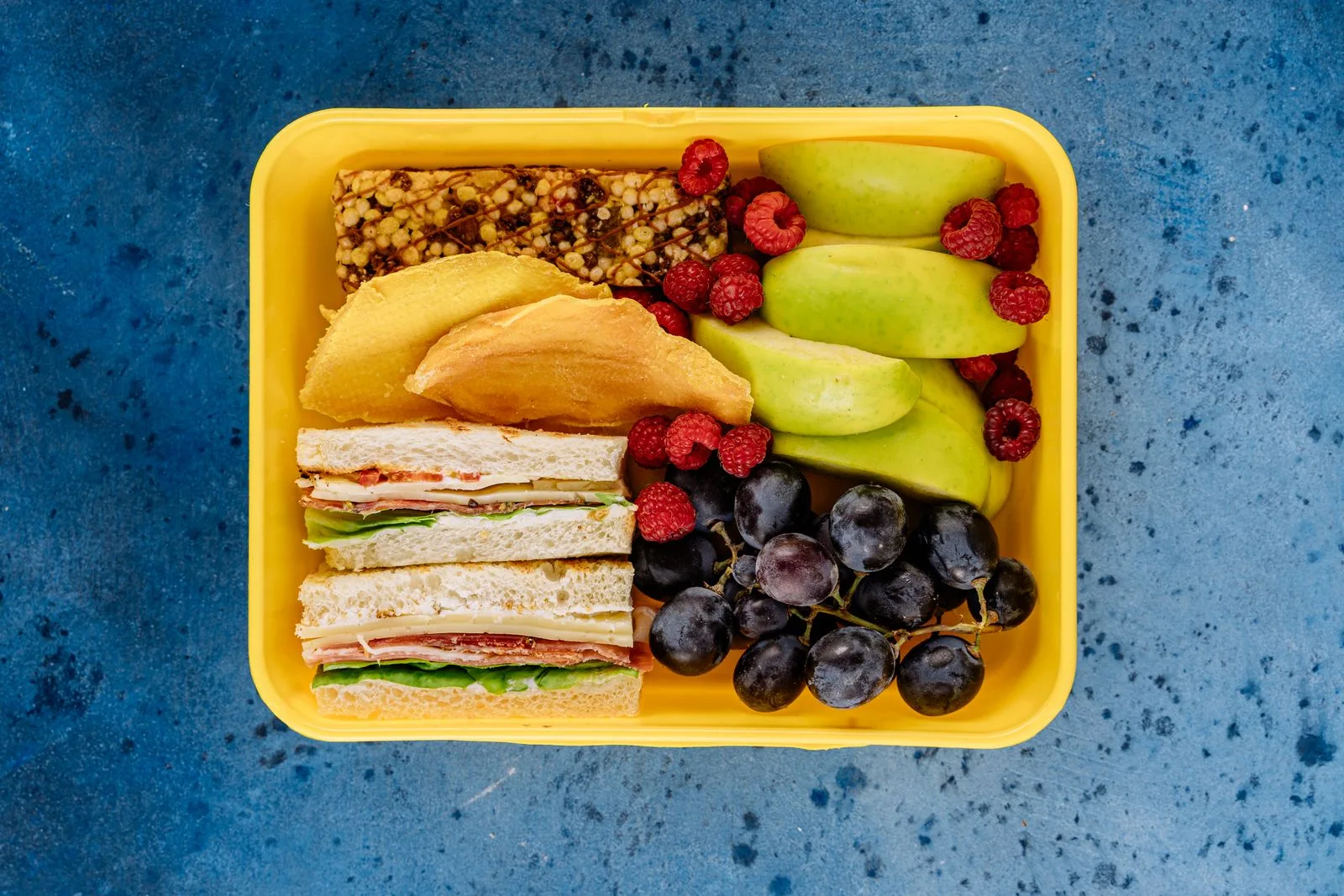
A travel snack container should be chosen through the full meal, not just the tidy appearance of food in its compartments. Contents, safe handling, opening, serving, and the return journey all matter. Decide what you can appropriately carry and eat before comparing colors, sizes, or a reassuring claim that the lid fits tightly.
Choose food for the actual conditions
Use authoritative food-safety guidance and the products' requirements to plan suitable contents. Consider the journey, available storage, and any necessary temperature control. A divided container can organize food without providing the conditions that particular ingredients need.
Keep dietary requirements and ingredient information clear, especially if someone else will eat from the kit. Do not assume a familiar-looking snack has the same ingredients as the version used at home. Check the actual product and follow relevant qualified advice for individual concerns.
Read the container's stated use
Check food-contact suitability, temperature limits, care, and any claim about leak resistance. Use the product within its instructions rather than inferring performance from clips or a rubber-looking seal. A tightly closed lid does not make every food or packing orientation appropriate.
Inspect the closure and any removable components. The person eating should be able to operate the actual mechanism comfortably in a suitable setting. Keep small parts secure according to household requirements and follow the manufacturer's cleaning and reassembly guidance.
Pack the complete serving task
Check the filled container's external dimensions and weight against the actual bag. Include necessary suitable utensils or other items, but avoid packing an entire picnic setup for one small snack. Keep the load appropriately separated and protected according to the contents and container requirements.
Our personal-item bag guide helps keep the full carried arrangement visible. A container should not make essential documents or personal belongings inaccessible, and a large spare bag is not automatically the best solution to an overcomplicated food plan.
Give used equipment a return route
Follow appropriate food handling for anything remaining and the container's specific care after use. Keep used items distinct from ready belongings until proper cleaning and drying are possible. Do not pack an empty-looking container as though it were clean simply because the meal has ended.
The weekend reset after travel helps finish the equipment's route once home. Return only suitably cared-for items to ready storage, and note any real problem with the closure or fit before the next trip.
Should I choose a bigger container for flexibility? Compare actual food needs, appropriate handling, bag capacity, and comfortable use. More compartments can add bulk and care without serving the journey. A smaller suitable meal in an existing appropriate container may be enough, while another trip genuinely needs a different arrangement. Choose the whole task rather than theoretical capacity.
Planning references: FDA: Safe Food Handling. Confirm current arrangements with the relevant provider.
About this guide
Original editorial planning advice from Helene’s In Between, based on practical scenarios rather than a product test. We do not claim hands-on product testing or a sponsored trip. Photos illustrate the topic and do not document a product test.
Linked sources provide planning information. Confirm current opening times, availability, prices and retailer policies before making plans.